Stop Clogged Pores: Non Comedogenic Moisturizers That Work
Judy
|
December 10, 2025
Struggling with breakouts or clogged pores? Choosing a truly non-comedogenic moisturizer can help prevent flare-ups and keep your skin clear.
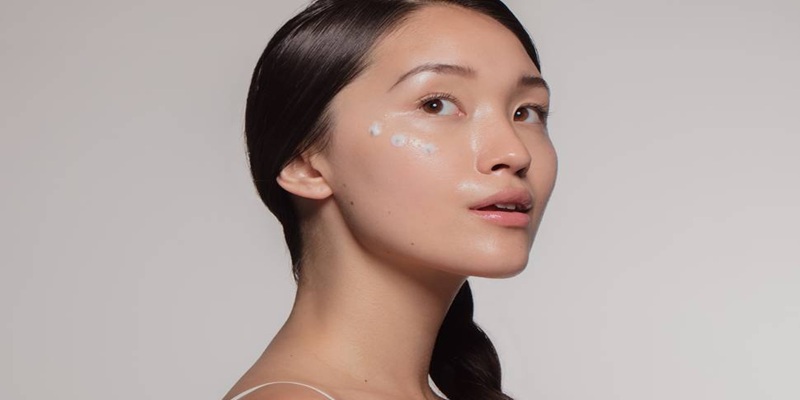
Demystifying "Non-Comedogenic": What It Truly Means For Your Skin
The term "non-comedogenic" frequently appears on skincare labels, yet its true implications for your skin might remain a mystery.
At its core, a non-comedogenic product is specifically formulated to avoid blocking pores, which are a primary cause of acne and skin congestion.
A "comedo" is the clinical term for a clogged pore—either an open comedo (blackhead) or a closed comedo (whitehead). This designation originated from dermatological research, designed to offer practical solutions for individuals prone to acne. While immensely beneficial, it's crucial to understand that there isn't a universal regulatory standard for what strictly qualifies as "non-comedogenic," so individual skin responses can vary.
Products typically earn this label through testing that demonstrates a low likelihood of forming comedones. Ingredients can contribute to pore clogging by forming a suffocating barrier, binding with dead skin cells, or being too dense for natural pore processing.
The Sneaky Culprits: Ingredients That Clog Pores
Understanding what to avoid actively is as crucial as knowing what to seek. Many common skincare ingredients, despite their seemingly innocuous nature, are notorious pore-cloggers.
Coconut oil and flaxseed oil, often praised for their natural benefits, can be highly comedogenic due to their fatty acid profiles, which can easily trap impurities within the hair follicle.
Similarly, rich emollients such as cocoa butter, shea butter, and lanolin can create an occlusive layer that can lead to significant congestion in many skin types. Even some synthetic ingredients, such as dimethicone, can form a film at high concentrations, preventing natural skin processes.
Beeswax, another natural favorite, is also recognized for its potential to clog pores due to its waxy consistency.
To safeguard your skin's clarity, meticulously review the first 5-7 ingredients on a product label, as these account for the bulk of the formulation.
Beyond The Label: How To Choose a Truly Non-Clogging Moisturizer
While the "non-comedogenic" label offers a helpful starting point, choosing a truly non-clogging moisturizer demands a deeper, more informed approach. Empower yourself by looking beyond marketing claims.
First, pay close attention to the product's texture; lighter, gel-based, or fluid formulas are generally preferable over thick creams, as they are less likely to feel occlusive. Your skin type and local climate also influence this choice.
Next, become a savvy reader of ingredient lists. Seek out beneficial, non-clogging ingredients like hyaluronic acid and glycerin for hydration, ceramides for barrier support, niacinamide for soothing and pore refinement, and squalane for lightweight moisture.
Crucially, actively avoid strong synthetic fragrances and most essential oils, as these can irritate sensitive and acne-prone skin, indirectly exacerbating breakouts even if not directly comedogenic.
Your practical checklist for identifying a safe face moisturizer that doesn't clog pores: 1. Lightweight texture. 2. Key beneficial ingredients present. 3. Potentially clogging ingredients are absent. 4. Free from strong irritants.
Expert Picks: Recommended Non-Comedogenic Moisturizers That Deliver
Navigating the vast array of skincare products can be daunting, but fear not—we've curated a selection of highly-regarded non-comedogenic moisturizers to simplify your search. These picks cater to various skin types and budgets, all designed to hydrate without clogging pores.
For those with oily or acne-prone skin, CeraVe PM Facial Moisturizing Lotion is an excellent, budget-friendly choice. Its formula, rich in hyaluronic acid, niacinamide, and ceramides, works overnight to hydrate, calm redness, and restore the skin's natural barrier.
Paula's Choice CLEAR Oil-Free Moisturizer offers lightweight, antioxidant-rich hydration that soothes and protects, ideal for battling breakouts at a mid-range price point.
If excess shine is your primary concern, consider La Roche-Posay Effaclar Mat Daily Moisturizer. This mid-range option utilizes Sebulyse Technology and zinc pidolate to actively mattify, reduce sebum production, and visibly refine pores, leaving a fresh, non-greasy finish.
For all skin types, especially normal t o combination or dehydrated skin, the popular Neutrogena Hydro Boost Water Gel delivers intense, weightless hydration with hyaluronic acid. Its unique gel texture absorbs instantly, providing a refreshing burst of moisture at an accessible price, proving that effective non-comedogenic care doesn't have to break the bank.
Integrating Your Non-Comedogenic Moisturizer For Optimal Results
Incorporating a non-comedogenic moisturizer into your daily regimen is crucial yet straightforward for reaping its full benefits.
Always apply it to freshly cleansed skin, ideally after any serums or targeted treatments, to lock in moisture and active ingredients.
In your morning routine, it should be the step before your sunscreen, ensuring adequate hydration and sun protection.
For your evening routine, apply it as the final step after cleansing and treating.
Consistency is paramount: use it morning and night unless otherwise directed. For truly optimal results, pair your non-clogging moisturizer with other products (cleansers, toners, serums) that are also labeled non-comedogenic to minimize the risk of clogged pores across your entire routine.
Before fully committing, perform a patch test on a small, inconspicuous area of your skin, such as behind the ear, to check for any adverse reactions.

Separating Fact From Fiction: Common Non-Comedogenic Moisturizer Myths
Misinformation often clouds the discussion around non-comedogenic moisturizers. Let's debunk common myths:
• Myth: 'Oily skin doesn't need moisturizer.'
Fact: All skin types need hydration. Skipping it can, ironically, trigger oily skin to produce even more oil, worsening breakouts.
• Myth: 'All natural oils are safe for acne-prone skin.'
Fact: Many natural oils, like coconut or olive oil, are highly comedogenic for a significant number of individuals.
• Myth: 'High price equals non-comedogenic.'
Fact: Efficacy depends on ingredients and formulation, not cost. Many affordable non-pore-clogging moisturizers are highly effective.
• Myth: ''Hypoallergenic' equals 'non-comedogenic.''
Fact: These claims are distinct. Hypoallergenic means fewer allergens, not that it won't clog pores.
Embracing a Clearer Future For Your Skin
You are now equipped with the vital knowledge to make informed decisions for your skin. By understanding what 'non-comedogenic' truly means, diligently checking ingredient lists, and selecting products tailored to your specific needs, you can proactively stop the cycle of clogged pores and persistent breakouts. Embracing a routine that supports healthy, clear skin will not only enhance your complexion but also boost your confidence. Don't let confusing labels hold you back any longer—your journey to radiant skin begins with these wise, informed choices today. Take control of your skincare narrative and unlock your clearest, healthiest skin yet.
Sources
Recent Posts
-
![]()
How to Protect and Repair the Skin Barrier?
-
![]()
DIY Face Masks for Every Skin Concern: Simple Recipes That Work
-
![]()
Are Natural and Organic Materials Worth the Investment?
-
![]()
How Copper Peptides Help With Anti-Aging And Repair Your Skin
-
![]()
How To Do Gua Sha At Home: Step-By-Step Guide For Beginner
-
![]()
8 Best Tinted Lip Balms That Moisturize While Adding Color