Are Natural and Organic Materials Worth the Investment?
sana
|
March 3, 2026
“Natural is better” sounds nice, but skincare is rarely that simple.
Plenty of plant ingredients can still mess with your skin. Essential oils are a good example. They smell great, but they're also a common trigger for irritation. The American Academy of Dermatology calls out fragrance, natural or not, as a leading cause of contact dermatitis.
On the flip side, lab-made ingredients aren't automatically the bad guys. Many are designed to be stable and predictable, which matters more than people think. A review in the Journal of Clinical and Aesthetic Dermatology notes that synthetic formulations often deliver more consistent results than raw botanical extracts.
Aloe can calm the skin, sure, but it doesn't always work the same way in every product. Meanwhile, something like glycerin quietly does its job across the board, keeping moisture in without the drama.
At the end of the day, it's less about “natural vs synthetic” and more about what actually works on your skin.

How to Identify Natural and Organic Cosmetics
Most “natural” or “organic” labels are marketing first, facts second. If you want to tell what's real, you need to look past the front of the bottle.
Step 1: Read the ingredient list carefully
Ingredients are listed in descending order. If plant oils or extracts show up near the end, they are likely present in very small amounts. Also watch for vague terms like “fragrance” or “parfum,” which can include dozens of hidden ingredients.
Step 2: Look for credible certifications
A real organic product usually carries a third party seal, not just a brand claim. Certifications from USDA Organic or COSMOS-standard require clear standards on ingredient sourcing and processing. A random “natural” badge or “NATURE” label without backing does not mean much.
Step 3: Check how transparent the brand is
Brands that actually focus on natural formulas tend to explain where their ingredients come from and how they are processed. If you cannot find sourcing details on the packaging or website, that is a red flag.
Step 4: Understand ingredient types, not just names
Not all “chemical sounding” ingredients are harmful, and not all plant ingredients are automatically safe. For instance, essential oils like tea tree or peppermint can cause redness or irritation in sensitive skin, even though they are natural. Similarly, naturally derived alcohols used as preservatives may dry out the skin if overused.
On the other hand, lab-made ingredients such as hyaluronic acid, niacinamide, or glycerin are formulated to be stable, non-irritating, and highly effective at hydrating or strengthening the skin barrier.
Are Natural and Organic Materials Worth the Investment?
“Natural is better” sounds nice, but skincare is rarely that simple.
Plenty of plant ingredients can still mess with your skin. Essential oils are a good example. They smell great, but they're also a common trigger for irritation. The American Academy of Dermatology calls out fragrance, natural or not, as a leading cause of contact dermatitis.
On the flip side, lab-made ingredients aren't automatically the bad guys. Many are designed to be stable and predictable, which matters more than people think. A review in the Journal of Clinical and Aesthetic Dermatology notes that synthetic formulations often deliver more consistent results than raw botanical extracts.
Aloe can calm the skin, sure, but it doesn't always work the same way in every product. Meanwhile, something like glycerin quietly does its job across the board, keeping moisture in without the drama.
At the end of the day, it's less about “natural vs synthetic” and more about what actually works on your skin.
How to Identify Natural and Organic Cosmetics
Most “natural” or “organic” labels are marketing first, facts second. If you want to tell what's real, you need to look past the front of the bottle.
Step 1: Read the ingredient list carefully
Ingredients are listed in descending order. If plant oils or extracts show up near the end, they are likely present in very small amounts. Also watch for vague terms like “fragrance” or “parfum,” which can include dozens of hidden ingredients.
Step 2: Look for credible certifications
A real organic product usually carries a third-party seal, not just a brand claim. Certifications from USDA Organic or COSMOS-standard require clear standards on ingredient sourcing and processing. A random “natural” badge or “NATURE” label without backing does not mean much.
Step 3: Check how transparent the brand is
Brands that actually focus on natural formulas tend to explain where their ingredients come from and how they are processed. If you cannot find sourcing details on the packaging or website, that is a red flag.
Step 4: Understand ingredient types, not just names
Not all “chemical sounding” ingredients are harmful, and not all plant ingredients are automatically safe. For instance, essential oils like tea tree or peppermint can cause redness or irritation in sensitive skin, even though they are natural. Similarly, naturally derived alcohols used as preservatives may dry out the skin if overused.
On the other hand, lab-made ingredients such as hyaluronic acid, niacinamide, or glycerin are formulated to be stable, non-irritating, and highly effective at hydrating or strengthening the skin barrier.
Step 5: Watch for greenwashing language
Terms like “clean,” “green,” or “non toxic” are not regulated. Brands use them freely without meeting any real standard. If a product leans heavily on these words but lacks detailed information, it is likely more branding than substance.
Step 6: Compare price, shelf life, and packaging
Truly natural formulas often need careful preservation, airtight containers, or dark glass bottles to prevent degradation. If a product claims to be fully natural but comes in a standard plastic jar, has a shelf life of several years, or is priced unusually low, it is worth questioning.
For example, fresh botanical serums usually last only a few months once opened, while inexpensive, long-lasting creams labeled “all natural” often rely on synthetic stabilizers to maintain their shelf life.
Step 7: Cross check outside the brand
If you are unsure, look up the product or ingredients on independent databases or dermatologist reviews. This extra step often reveals more than the label itself.
The safest approach is simple: trust the ingredient list, verified certifications, and consistent transparency, not the marketing language.
Benefits of Using Natural Beauty Products
Natural skincare can be a good option, but the benefits are more specific than most articles make them sound.
1. Gentler for some skin types
Many plant-based ingredients are less likely to irritate sensitive skin, especially when formulas avoid strong fragrances or alcohol. That said, “natural” does not mean allergy free. The American Academy of Dermatology notes that fragrance, even from essential oils, is a common cause of irritation:
2. Focus on barrier support, not quick fixes
Ingredients like plant oils and butters help reduce water loss and support the skin barrier. They usually do not give instant brightening like some synthetic actives, but they can improve dryness and texture over time.
3. Simpler formulas can be easier to read
Many natural-leaning brands keep ingredient lists shorter and more transparent. That makes it easier to understand what you are actually putting on your skin, especially if you are trying to avoid specific triggers.
4. Useful for calming and recovery
Certain ingredients such as aloe vera or oat extracts are well known for soothing redness and irritation. These are often used in products designed for reactive or compromised skin.
5. Not always more effective, but sometimes a better fit
Natural products are not automatically stronger or deeper penetrating. Their value is more about compatibility. If your skin reacts easily or you prefer simpler formulations, they can be a practical choice.
So, Are Natural Products Worth It?
Natural skincare can be a solid choice, but it is not automatically better. What matters more is how a product is formulated and how your skin responds to it.
Some people prefer natural products because they feel lighter, simpler, or easier to trust. Others get better results from well formulated synthetics that target specific concerns more directly. Both approaches can work.
If you are choosing natural, focus on what is actually inside the formula, not just the label. Look for products that support your skin barrier, avoid known irritants, and fit your skin type.
Good skincare is not about picking sides. It is about finding what keeps your skin stable, comfortable, and consistent over time.
Step 5: Watch for greenwashing language
Terms like “clean,” “green,” or “non toxic” are not regulated. Brands use them freely without meeting any real standard. If a product leans heavily on these words but lacks detailed information, it is likely more branding than substance.
Step 6: Compare price, shelf life, and packaging
Truly natural formulas often need careful preservation, airtight containers, or dark glass bottles to prevent degradation. If a product claims to be fully natural but comes in a standard plastic jar, has a shelf life of several years, or is priced unusually low, it is worth questioning.
For example, fresh botanical serums usually last only a few months once opened, while inexpensive, long-lasting creams labeled “all natural” often rely on synthetic stabilizers to maintain their shelf life.
Step 7: Cross check outside the brand
If you are unsure, look up the product or ingredients on independent databases or dermatologist reviews. This extra step often reveals more than the label itself.
The safest approach is simple: trust the ingredient list, verified certifications, and consistent transparency, not the marketing language.
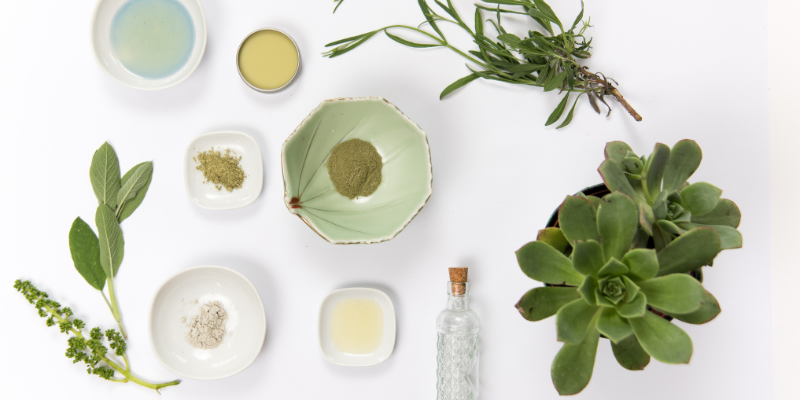
Benefits of Using Natural Beauty Products
Natural skincare can be a good option, but the benefits are more specific than most articles make them sound.
1. Gentler for some skin types
Many plant based ingredients are less likely to irritate sensitive skin, especially when formulas avoid strong fragrances or alcohol. That said, “natural” does not mean allergy free. The American Academy of Dermatology notes that fragrance, even from essential oils, is a common cause of irritation:
2. Focus on barrier support, not quick fixes
Ingredients like plant oils and butters help reduce water loss and support the skin barrier. They usually do not give instant brightening like some synthetic actives, but they can improve dryness and texture over time.
3. Simpler formulas can be easier to read
Many natural leaning brands keep ingredient lists shorter and more transparent. That makes it easier to understand what you are actually putting on your skin, especially if you are trying to avoid specific triggers.
4. Useful for calming and recovery
Certain ingredients such as aloe vera or oat extracts are well known for soothing redness and irritation. These are often used in products designed for reactive or compromised skin.
5. Not always more effective, but sometimes a better fit
Natural products are not automatically stronger or deeper penetrating. Their value is more about compatibility. If your skin reacts easily or you prefer simpler formulations, they can be a practical choice.
So, Are Natural Products Worth It?
Natural skincare can be a solid choice, but it is not automatically better. What matters more is how a product is formulated and how your skin responds to it.
Some people prefer natural products because they feel lighter, simpler, or easier to trust. Others get better results from well-formulated synthetics that target specific concerns more directly. Both approaches can work.
If you are choosing natural, focus on what is actually inside the formula, not just the label. Look for products that support your skin barrier, avoid known irritants, and fit your skin type.
Good skincare is not about picking sides. It is about finding what keeps your skin stable, comfortable, and consistent over time.
Recent Posts
-
![]()
Natural Ways to Reduce Dark Circles and Refresh Tired Eyes
-
![]()
How Copper Peptides Help With Anti-Aging And Repair Your Skin
-
![]()
How Cica Helps Calm And Repair Overworked, Sensitive Skin
-
![]()
8 Best Tinted Lip Balms That Moisturize While Adding Color
-
![]()
Stop Clogged Pores: Non Comedogenic Moisturizers That Work
-
![]()
Why Pimple Patches Are The Best Way To Treat Active Breakouts