How to Protect and Repair the Skin Barrier?
Elison E
|
March 16, 2026
Your skin barrier is your body’s built-in shield against environmental stress and irritation. When it’s damaged, you may notice dryness, redness, or that your skin suddenly reacts to products that used to feel fine. Keeping this barrier healthy is key to maintaining smooth, stable, and well-hydrated skin.
With a few consistent habits and the right products, your skin can gradually return to a more balanced state.
Everything You Need to Know About Skin Barriers
Your skin barrier serves as the first line of defense from the external world. Also referred to as the stratum corneum, this skin barrier protects your skin by shielding harmful substances from entering while keeping moisture locked in. It is made up of corneocytes, which are held together by lipids to create a “brick and mortar” structure vital for skin health and function.
A healthy skin barrier supports your skin in ways that are easy to overlook. It helps hold onto moisture, protects against pollution and UV exposure, and keeps inflammation under control.
When this balance is disrupted, the skin often becomes unpredictable. You might notice increased sensitivity, or find that products you used before suddenly start to sting.
Symptoms of Damaged Skin Barrier
Observe the following signs to indicate an impaired or damaged skin barrier:
- Increased sensitivity or irritation.
- Redness accompanied by inflammation.
- Flakiness or dryness.
- Breakouts.
- Increased itchiness or burning sensation.
Identifying these signs early will allow you to take the necessary steps towards repairing and strengthening your skin barrier, helping in maintaining healthy and resilient skin.

Common Causes of Skin Barrier Damage
Harmful Environmental Factors
Daily exposure to harsh weather can slowly weaken the skin barrier. Cold, dry air or strong winds can strip away natural oils, while too much sun exposure can dry out the skin and affect its structure. Pollution adds further stress by introducing particles that interfere with the skin’s ability to repair itself.
Lifestyle Habits
Some everyday habits can gradually affect your skin without being obvious at first. Long, hot showers often leave skin feeling tight because they remove protective oils. Over-exfoliating, whether with scrubs or strong acids, can thin the outer layer of the skin.
Lack of sleep, ongoing stress, and not getting enough essential nutrients can also slow down how well your skin recovers.
Chemical Irritants
Certain products can make things worse instead of better. Cleansers that leave your skin feeling overly tight are often too harsh. Products with high alcohol content or strong fragrance can be irritating, especially for sensitive skin.
Using too many active ingredients at once, such as exfoliating acids or retinoids, can also weaken the barrier if the skin doesn’t have time to recover.
Top Skincare Ingredients for Repairing the Skin Barrier
Some ingredients are especially helpful when your skin needs repair rather than just basic hydration.
The Building Blocks: Ceramides
Ceramides are amongst the lipids present in skin as they are the “mortar” and “building blocks” of skin cells. They are crucial in skin hydration and guarding the skin against environmental stressors. Synthetic and plant-derived ceramides can be used to restore the natural barrier of the skin and are ideal for the products sought after.
Hyaluronic Acid: The Hydration Hero
This wonder humectant retains and attracts moisture, aiding in plump and well-hydrated skin. It is great for all skin types, especially for those that are dry. Using hyaluronic acid in a skincare routine can lead to great improvements in the texture and overall health of the skin.
Niacinamide: The Multi-Tasker
Also referred to as vitamin B3, niacinamide helps with the production of ceramides, inflammation, and oil control. While being effective for different skin concerns, niacinamide is also gentle enough for sensitive skin. This makes it a great addition to any skincare routine.
Fatty Acids: The Nourishing Agents
These Omega-3 and omega-6 fatty acids play an important role in the overall wellness of the skin. They aid in strengthening the skin’s protective barrier, decreasing inflammation, and enhancing the skin’s resilience. To experience these fatty acid benefits, look for squalane, jojoba oil, or rosehip oil.
Steps to Build a Skin Barrier-Friendly Routine
Start With Gentle Cleansing
Cleansing should leave your skin feeling clean but still comfortable, not tight or dry. If your skin feels “squeaky clean,” the cleanser is likely too harsh. Mild, low-foaming cleansers, especially cream or gel textures, are usually a better choice since they remove dirt and sunscreen without stripping away natural oils.
Using lukewarm water makes a noticeable difference, as hot water can weaken the barrier over time. If you wear makeup or heavy sunscreen, you can use a gentle cleansing oil or balm first, then follow with a mild cleanser, but avoid over-cleansing. Washing twice a day is usually enough.
After cleansing, gently pat your skin dry with a soft towel. Leaving a bit of dampness on the skin actually helps the next step absorb better.
Hydration is Key
Hydration works best when applied in layers rather than relying on a single product. Starting with a lightweight hydrating toner or essence helps bring water back into the skin. These usually have a thin, watery texture and absorb quickly without feeling heavy.
Follow with a moisturizer to lock that hydration in. Creams with ceramides or glycerin tend to feel more supportive and slightly cushioned on the skin, while gel-creams are lighter and better if you don’t like a heavy finish.
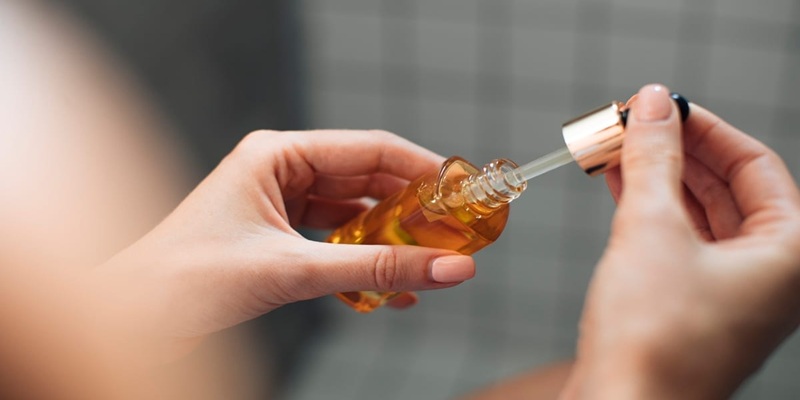
If your skin feels very dry or tight at night, you can finish with a small amount of facial oil or a thicker cream. The texture should feel smooth and spread easily, not overly greasy. This final step helps reduce overnight water loss and supports repair while you sleep.
Sun Protection
Sun exposure can gradually weaken the skin barrier, even if there’s no visible sunburn. This is why daily sunscreen matters, not just on sunny days but also when you’re indoors near windows.
A broad-spectrum sunscreen with SPF 30 or higher is a good baseline. The texture matters more than people expect. If a sunscreen feels too heavy, sticky, or leaves a strong white cast, you’re less likely to use enough of it.
For sensitive or barrier-damaged skin, mineral sunscreens with zinc oxide or titanium dioxide are often more comfortable. They tend to feel a bit thicker but are less likely to sting compared to some chemical filters. Applying enough and reapplying when needed is just as important as choosing the right type.
Mindful Introduction of New Products
When your skin barrier is not at its best, adding too many new products at once can make things worse. It’s better to keep things simple and introduce new products slowly.
Start with a patch test, then use the product a few times a week instead of every day. Pay attention to how your skin feels over several days, not just immediately after application. Some irritation builds up gradually.
It also helps to avoid combining multiple strong actives at the same time. For example, using exfoliating acids, retinoids, and vitamin C all together can overwhelm the skin. Giving your skin time to adjust makes it easier to figure out what actually works for you.
Preserving Skin's Natural Defense
Keeping your skin barrier healthy is more about consistency than doing a lot at once. A simple and gentle routine often works better than using too many products.
Pay attention to how your skin feels, keep your routine balanced, and support it with enough sleep, hydration, and proper nutrition. If sensitivity or irritation continues, it’s a good idea to consult a dermatologist.
Recent Posts
-
![]()
Exploring the Benefits of Facial Gua Sha: Techniques and Tips
-
![]()
DIY Face Masks for Every Skin Concern: Simple Recipes That Work
-
![]()
Bakuchiol: The Natural, Plant-Based Retinol Alternative
-
![]()
Best Bakuchiol Serums Worth Trying (And How To Use Them)
-
![]()
AHA Vs. BHA: Which Chemical Exfoliant Is Right For Your Skin?
-
![]()
Pimple Patches Tested: Find the Perfect Patch for Your Skin Type