AHA Vs. BHA: Which Chemical Exfoliant Is Right For Your Skin?
Andy
|
December 7, 2025
Alpha hydroxy acids (AHAs) and beta hydroxy acids (BHAs) are becoming increasingly popular, but which type of exfoliating product is best suited for your skin type and concerns? How can you choose the right product to effectively improve skin texture and address common skin concerns like dryness or acne?
Understanding AHA And BHA
Alpha Hydroxy Acids (AHAs) and Beta Hydroxy Acids (BHAs) are both widely recognized chemical exfoliants in the skincare community, yet they offer distinct functionalities and cater to different skin concerns.
What Are AHA And BHA?
AHAs, such as glycolic acid and lactic acid, are water-soluble acids derived from sources like fruits and milk. These acids primarily function at the skiskin'srface, gently removing dead skin cells and stimulating cellular turnover, which can enhance skin texture and brightness. AHA products are especially beneficial for individuals with dry or sun-damaged skin, as they help hydrate and retain moisture.
BHAs—with salicylic acid being the most notable—are oil-soluble, allowing them to penetrate deeper into pores. This unique feature makes BHAs particularly advantageous for individuals with oily skin, acne, or blackheads, as they dissolve sebum and dead skin cells that can clog pores. Furthermore, BHAs possess anti-inflammatory properties, making them suitable for those with sensitive skin prone to redness and irritation.
How They Work On The Skin
AHAs primarily focus on exfoliating the skin's surface and improving texture, while BHAs delve deeper to combat oiliness and acne.
Benefits Of AHA And BHA
The advantages of incorporating Alpha Hydroxy Acids (AHA) and Beta Hydroxy Acids (BHA) into your skincare routine are noteworthy, as they effectively cater to specific skin hydration and clarity needs.
Benefits Of AHA
AHAs are renowned for their ability to enhance radiance and improve skin tone. They excel at exfoliating the skin's most superficial layers, promoting rapid cell turnover that leads to a more even skin texture. Regular use of AHAs can significantly reduce the appearance of fine lines and wrinkles, mainly in mature or sun-damaged skin. Individuals with normal to dry skin types will find AHA particularly advantageous due to its ability to retain moisture and combat dryness, thereby fostering a radiant, youthful appearance.
Benefits Of BHA
BHA (primarily salicylic acid) is a strong ally for those with oily and blemish-prone skin. It effectively penetrates deep into pores, dissolving excess oil and debris that contribute to blackheads and breakouts. BHA also has anti-inflammatory properties, relieving the redness and irritation commonly associated with acne. It is ideal for oily skin or those prone to breakouts, as it can help clear existing blemishes and prevent new breakouts.
Conclusion: AHA is ideal for enhancing luminosity and smoothness in dry or normal skin, whereas BHA effectively helps combat acne and excess oil in oily skin types.
How to Properly Use AHA And BHA
To understand the appropriate frequency of use for AHA (Alpha Hydroxy Acid) and BHA (Beta Hydroxy Acid) to maximize their benefits while minimizing skin irritation.
Recommended Usage Frequency
AHA, which targets the skin'ssurface for exfoliation, can typically be used daily. This level of regularity helps brighten the complexion, soften fine lines, and improve the overall texture of the skin. After using this product, be sure to apply a moisturizer and daily sunscreen, as alpha hydroxy acids (AHAs) can increase the skiskin'snsitivity to sunlight.
BHA is generally recommended for use a few times a week. This reduced frequency minimizes the risk of irritation and redness, especially for individuals with sensitive skin. Pairing BHA with calming toners or hydrating serums can further support its effectiveness and bolster the skiskin'srrier function.
Combining With Other Skincare Products
While both AHA and BHA can deliver significant results on their own, how can you properly combine them with other skincare products? Here are some suggestions:
Combining AHA with moisturizers containing hydrating ingredients, such as hyaluronic acid, can optimize results and help prevent skin dryness. Mixing BHA with potent active ingredients such as retinol or vitamin C may lead to over-exfoliation and irritation, thus reducing their effectiveness. By following these guidelines, you can maximize the exfoliating benefits of AHA and BHA while maintaining skin hydration and balance.
Common Myths And Misconceptions
Several misconceptions surrounding Alpha Hydroxy Acids (AHA) and Beta Hydroxy Acids (BHA) can lead to confusion for those pursuing healthier skin through exfoliation.
Myth 1: AHA Is Better Than BHA
One common myth is the belief that AHA is superior to BHA. Although AHAs, sourced from fruits and milk sugars, excel at exfoliating the outer layer of the skin, making them especially suitable for dry or sun-damaged skin, BHAs—particularly salicylic acid—target deeper into pores. Thus, for those fighting acne-prone or oily skin, BHAs can prove more effective.
Myth 2: Exfoliants Are Unsuitable For Sensitive Skin
Another narrative is that exfoliation is inappropriate for sensitive skin types. While some individuals with sensitive skin may experience irritation, when used correctly, both AHA and BHA can effectively benefit these skin types. Well-formulated products and appropriate concentrations enable sensitive skin to enjoy the benefits of exfoliation without adverse reactions.
Myth 3: Exfoliation Can Replace Cleansing
A significant misconception is that exfoliation replaces traditional cleansing routines. This notion is misleading. While exfoliants target dead skin cells, cleansers remove dirt and impurities. Using both effectively is essential for achieving a luminous complexion rather than relying on either method alone.
Product Recommendations For AHA And BHA
Incorporating Alpha Hydroxy Acids (AHA) and Beta Hydroxy Acids (BHA) into your skincare arsenal requires selecting reliable products to guarantee effective outcomes.
Best AHA Products
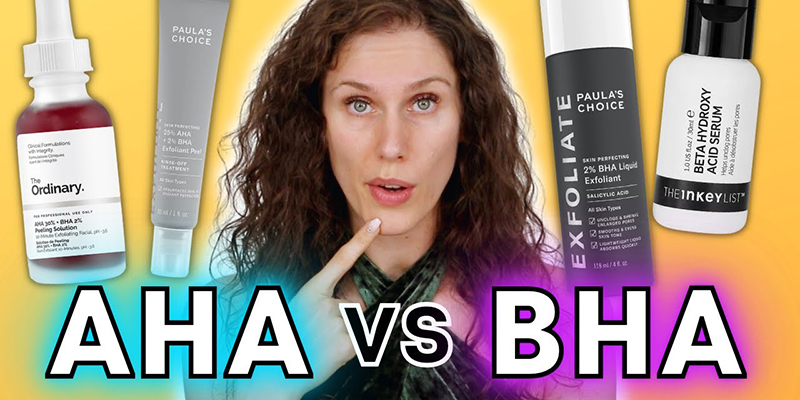
A notable choice among AHA options is Paula's Choice 8% AHA Gel Exfoliant. This gel formula not only provides exfoliation but also hydrates the skin, making it an ideal product for drier skin types. Another exceptional AHA product is The Ordinary Lactic Acid 5% + HA, which gently smooths skin texture while delivering additional hydration thanks to its hyaluronic acid content, making it well-suited for sensitive skin that may not tolerate aggressive exfoliants.
Best BHA Products
For individuals with oily or acne-prone skin, the Bioré Charcoal Acne Cleanser is a commendable selection, effectively combining BHA with charcoal's absorption properties to deeply cleanse pores. Additionally, the COSRX BHA Blackhead Power Liquid offers gentle exfoliation that targets blackheads and blemishes without irritating the skin, making it suitable for both oily and combination skin types.
Conclusion
Both AHA and BHA play unique roles in exfoliation and skincare. AHA primarily focuses on improving skin texture and providing hydration, while BHA penetrates deep into the pores, cleansing them and controlling oil production. Start choosing an exfoliant that suits your skin type.
Recent Posts
-
![]()
Sensitive Skin Moisturizers Guide: Ingredients, Products, and Tips
-
![]()
Natural Ways to Reduce Dark Circles and Refresh Tired Eyes
-
![]()
Best Ceramide Moisturizer Picks That Actually Strengthen Your Skin
-
![]()
Why Bakuchiol Is The New Gold Standard For Natural Anti-Aging
-
![]()
Face Exfoliator Tips For Smooth, Clear, And Bright Skin
-
![]()
Pimple Patches Tested: Find the Perfect Patch for Your Skin Type