Does Gua Sha Really Work? Here's What Science Says
Andy
|
March 1, 2026
Gua Sha is experiencing a resurgence in wellness communities, but does it actually deliver on its promises? This article unpacks the effects, benefits, and safety of this time-honored technique, offering you valuable insights into its role in contemporary self-care routines.
Exploring The Art Of Gua Sha
Gua Sha is a traditional healing practice with roots in ancient China, dating back to the Han Dynasty (206 BCE–220 CE). The term' Gua term' translates to 'scrape sa'd,' a name derived from the method of scraping the skin with a specialized tool to enhance circulation and facilitate healing. This practice is foundational in Chinese medicine, ostensibly aimed at releasing "stagnation" within the body's systems, addressing pain, and managing various health issues.
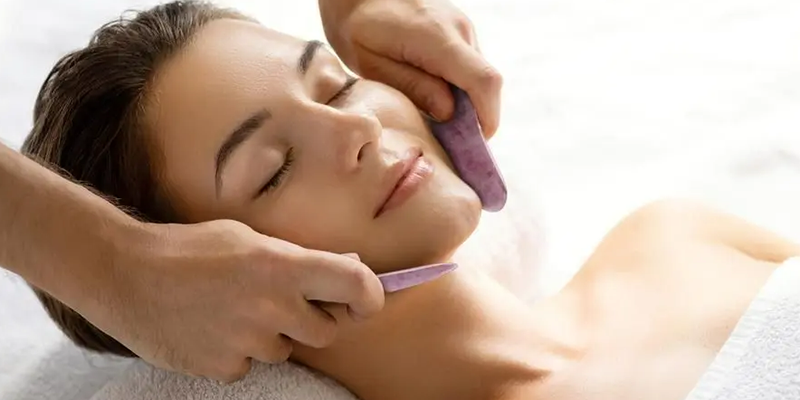
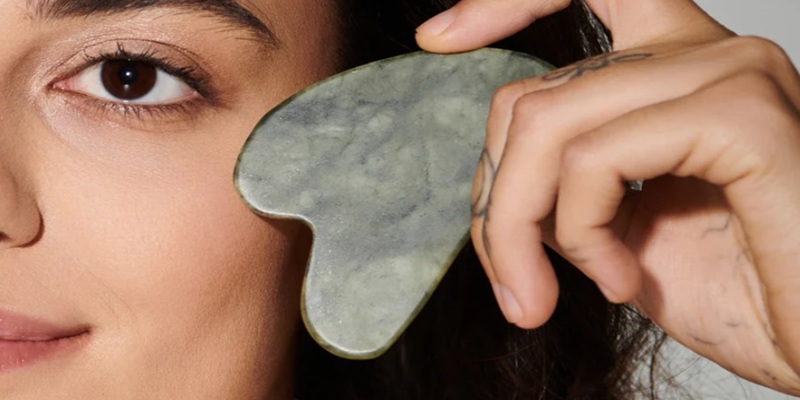
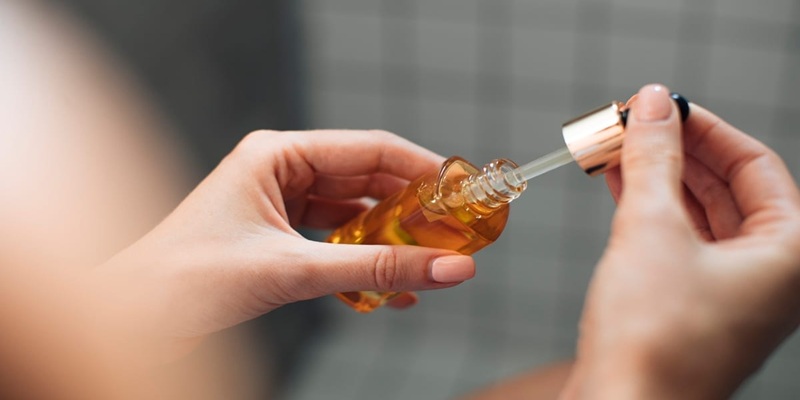
During a Gua Sha session, practitioners typically use tools made of jade or rose quartz, applying a lubricant, such as oil, to the skin before performing gentle upward scraping motions. This technique induces microtrauma to tissues, boosting blood flow and activating the lymphatic system to promote detoxification. Sessions generally last between 5 and 15 minutes, and the emergence of red or purple bruises, termed "sha," is a standard indicator of the release of stagnant energy. Beyond its therapeutic applications, Gua Sha is increasingly celebrated as a beauty treatment that promotes a radiant complexion.
How Gua Sha Works
When a smooth scraping tool comes into contact with the skin, Gua Sha therapy works on multiple physiological levels. This contact causes micro-injuries, triggering an inflammatory response that promotes healing. Simultaneously, it enhances blood circulation, delivering oxygen and nutrients to the tissues, thereby relieving muscle tension and promoting overall wellbeing.
Scientific studies reveal that Gua Sha significantly increases levels of inflammatory markers in the bloodstream, reflecting an effective response to the treatment. A study published in the Journal of Pain Research found that participants undergoing Gua Sha therapy experienced marked reductions in muscle soreness and stiffness. The scraping motion also helps release fascial adhesions that can hinder movement and cause discomfort.
Advantages Of Gua Sha
Facial Gua Sha
Facial Gua Sha has surged in popularity within beauty regimens, prized for its rejuvenating properties that enhance skin radiance. Notably, one of its significant benefits is improved lymphatic drainage, which effectively expels toxins and minimizes puffiness. Research indicates that consistent Gua Sha application can stimulate blood circulation, leading to a luminous complexion.
A study published in the Journal of Acupuncture and Meridian Studies reported marked reductions in facial wrinkles and improvements in overall skin texture, contributing to a youthful appearance. Anecdotally, many users claim their skin looks firmer and more vibrant after just a few treatments, crediting the practice with reviving their glow. Given its anti-aging properties, Gua Sha is frequently hailed as a natural alternative to invasive cosmetic interventions.
Body Gua Sha
Body Gua Sha is utilized primarily for therapeutic purposes to relieve muscle tension and pain. Traditionally, it has been employed to address chronic issues such as neck pain, backaches, and even fibromyalgia. A study by the American Physical Therapy Association found that Gua Sha significantly reduced pain levels in individuals with chronic neck pain, while simultaneously improving mobility and quality of life.
The gentle scraping motion increases blood flow, helping relax tight muscles and enhance flexibility. Its diverse advantages are gaining traction in both wellness communities and physical therapy settings, underscoring its effectiveness in supporting skin health and physical wellbeing.
What Does Science Say About Gua Sha?
1. Scientific research supports Gua Sha as an effective technique, particularly for reducing pain in chronic conditions like neck pain and migraines. Studies show it improves microcirculation and reduces muscle tension, thereby relieving pain.
2. Beyond pain relief, Gua Sha may also improve overall wellbeing. Some research indicates that it can enhance emotional health and reduce Stress, suggesting benefits for both physical and mental health.
3. Some experts are skeptical, suggesting the benefits may be due to a placebo effect rather than the treatment itself. Concerns have been raised about the validity of some studies due to small sample sizes and lack of control groups.
While there is promising evidence for Gua Sha's benefits, more rigorous research is needed to confirm these findings fully. Both consumers and practitioners should balance the positive outcomes with the existing critiques.
Who Can Benefit From Gua Sha?
Gua Sha is a beneficial practice, particularly for individuals leading active lifestyles, including fitness enthusiasts and athletes. By promoting muscle recovery, alleviating tension, and boosting circulation, it is a valuable companion for those striving to optimize their physical performance. Individuals grappling with chronic pain—such as fibromyalgia or arthritis—may also attain notable relief through Gua Sha, as it can mitigate discomfort while enhancing mobility.
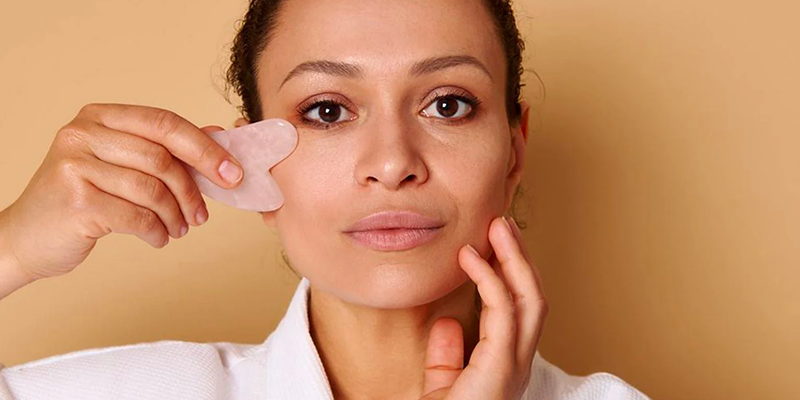
It's important to note that this approach is not suitable for everyone. Individuals with specific skin conditions (e.g., eczema, psoriasis, or severe acne) should exercise caution or even avoid Gua Sha, as it could aggravate existing irritation or inflammation. People with blood-clotting disorders, recipients of anticoagulant therapy, or pregnant individuals are also advised against this technique, given that the applied pressure may pose risks to their health.
Essential Safety Precautions
When considering Gua Sha, it is essential to understand its typical side effects to ensure a beneficial experience. Bruising is a frequent occurrence resulting from the pressure applied to the skin during treatment. To minimize bruising, use a lighter touch, especially on sensitive areas. Applying an appropriate lubricant, such as oil, also reduces friction, thereby decreasing the likelihood of bruising.
Post-treatment aftercare can significantly enhance the positive effects of your Gua Sha session. It is advisable to stay well-hydrated by drinking plenty of water, which helps flush out toxins released during the treatment. For soothing any reddened areas, gentle cooling compresses can be applied. Avoid strenuous exercise and extreme temperatures for at least 24 hours after treatment to allow the body ample time to recover. Following a consistent aftercare regimen not only alleviates discomfort but also optimizes the skin's healing processes, thereby amplifying the benefits of this ancient therapy. Always pay attention to your body's signals and adjust your technique as needed for a pleasant experience.
Getting Started With Gua Sha
Various materials are available, including jade, rose quartz, and stainless steel, each offering unique advantages. Jade is thought to have cooling properties, while rose quartz is linked to love and healing. Stainless steel tools are easy to maintain and can be refrigerated for added soothing effects.
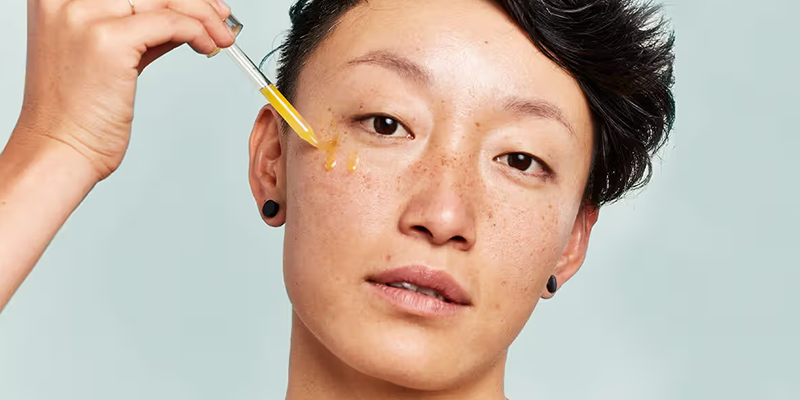
When beginning your Gua Sha journey, select a clean, smooth surface and apply a facial oil or moisturizer to your skin to facilitate smooth gliding movements. Start with gentle strokes on your neck, then move up to the face, ensuring the tool is angled at about 15 degrees. Initiate slowly, targeting areas of tension, and progressively increase pressure as needed. Consistent practice for about 5-10 minutes daily may enhance both relaxation and rejuvenation. Remember to clean your Gua Sha tool after each session to ensure optimal hygiene.
Conclusion
Gua Sha is an ancient practice rooted in Chinese medicine. It is gaining recognition for its potential health benefits, including pain relief and improved skin appearance, supported by emerging scientific research. As with any wellness pursuit, it is imperative to approach Gua Sha with safety in mind; consulting a professional may yield a practical application.
Recent Posts
-
![]()
Are Natural and Organic Materials Worth the Investment?
-
![]()
How Copper Peptides Help With Anti-Aging And Repair Your Skin
-
![]()
How To Choose The Right Gua Sha Tool For Your Face
-
![]()
Bakuchiol: The Natural, Plant-Based Retinol Alternative
-
![]()
The Best Non-Comedogenic Moisturizers For Easily Irritated Skin
-
![]()
Want Coverage Without Clogged Pores? Try These Tinted Moisturizers