How Cica Helps Calm And Repair Overworked, Sensitive Skin
Judy
|
December 11, 2025
Does your face sting the moment water touches it? If you are frantically searching for what is cica, know that this ancient soothing ingredient, scientifically known as Centella Asiatica, is the precise rescue your compromised skin barrier is begging for. Here is how it heals your skin.
Signs Your Skin Barrier Is Compromised
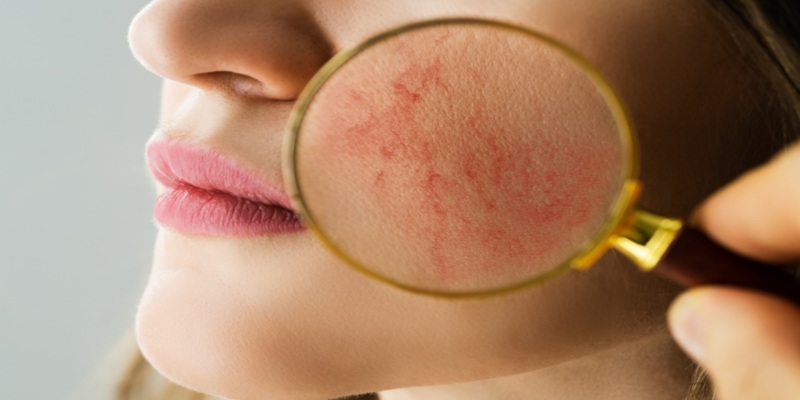
It often starts with a subtle tightness that you dismiss as mere dryness. But soon, your routine staples—the serums and cleansers you have used for years—start to burn upon application. This is the hallmark of a compromised moisture barrier. Whether it is the result of enthusiastic over-exfoliation with AHAs and BHAs, aggressive retinol usage, or simply the harsh whipping of winter winds, your skin is signaling that it is overworked.
The stratum corneum—your skin's outer shield—has developed micro-tears, causing you to experience Transepidermal Water Loss (TEWL) at rapid rates. Redness becomes persistent rather than transient. The texture turns rough, and applying standard moisturizer feels like putting a Band-Aid on a bullet hole. Mere hydration is no longer sufficient; you have crossed the threshold into intensive repair skincare. If this sounds familiar, your skin needs more than hydration—it needs repair.
What Is Cica? The Science Behind Centella Asiatica
Before it became a buzzword in Western beauty aisles, Centella Asiatica was a staple in traditional medicine for centuries. Often referred to as "Tiger Grass"—stemming from the legend that wounded tigers would roll in the plant to heal their battle scars—this leafy green herb is a powerhouse of regenerative biology. However, in the context of modern Cica skincare, we are not just relying on folklore; we are harnessing specific active compounds known as triterpenoid saponins.
The most critical of these actives are asiaticoside, madecassic acid, madecassoside, and asiatic acid. Unlike inert ingredients, these compounds are chemically designed to penetrate the skin and accelerate biological healing mechanisms. They work to boost antioxidant activity at the wound site, strengthening the skin and increasing blood circulation. Studies published in the National Library of Medicine have highlighted Centella Asiatica's ability to facilitate wound healing by stimulating fibroblast proliferation and increasing collagen content. It acts as a biological signal to your cells to repair the masonry of your skin wall. It isn't magic; it is biochemistry optimized for recovery.
Key Benefits: Why Cica Is The Gold Standard For Sensitive Skin
The efficacy of Cica cream lies in its multi-pronged approach to cellular health, addressing not only the symptoms of damaged skin but also its root causes.
1. Anti-Inflammatory
Unlike standard humectants, which hold water, Cica actively downregulates inflammatory mediators, significantly reducing redness and swelling associated with acne, rosacea, or extreme sensitivity. It acts as a fire extinguisher for the heat in your skin, providing relief comparable to mild over-the-counter anti-irritants without the steroidal side effects.
2. Collagen Synthesis
As we age or damage our skin, collagen breaks down. Cica stimulates the production of type I collagen, which is essential for maintaining skin tensile strength and smoothing out the rough texture left behind by scarring or breakouts. This is why dermatologists often prescribe a thick Cica balm for post-procedure recovery or tattoo aftercare—it accelerates the knitting together of tissue.
3. Antioxidant Protection
The plant is rich in flavonoids and phenolic acids that scavenge free radicals, protecting your already vulnerable barrier from further environmental Stress like pollution and UV radiation. This trifecta of soothing, building, and protecting has cemented Centella Korean skincare products as the gold standard for sensitive skin types worldwide. It transforms the skincare routine from a maintenance chore into a healing ritual.
Ingredient Showdown: Cica Vs. Other Repair Heroes
Understanding Cica's biological mechanism is only half the battle; the real challenge lies in knowing when to reach for it over other popular skincare heavyweights. You might be asking yourself: Do I need Cica if I already use Ceramides or Niacinamide? The answer lies in understanding the specific role each ingredient plays. Think of your skin barrier as a brick wall under construction. While many ingredients help build the wall, they perform vastly different jobs.
Cica vs. Ceramides: The Firefighter vs. The Mortar
Ceramides are lipids that naturally occur in the skin, acting as the "mortar" that holds your skin cells (the "bricks") together. They provide structural integrity and prevent water loss. Cica, however, operates differently. If Ceramides are the mortar rebuilding the wall, Cica is the firefighter putting out the flames of inflammation raging around the construction site. Cica actively calms the biological Stress response, allowing the structure to heal.
• Best For: These two are not enemies; they are the ultimate power couple. For comprehensive restoration, look for products that combine Ceramides with barrier repair ingredients like Cica. Use Ceramides to rebuild and Cica to soothe.
Cica vs. Niacinamide: Safety vs. Texture
Niacinamide (Vitamin B3) is a multitasking superstar known for regulating oil, brightening tone, and refining pore texture. However, at high concentrations, Niacinamide can cause flushing or stinging in compromised skin. Cica is the safer bet when your skin is in crisis mode. It focuses purely on reducing irritation without the risk of the "Niacinamide sting."
• Best For: If your primary concern is rough texture or enlarged pores, stick with Niacinamide. If your concern is raw, red, or stinging skin, swap it out for Cica immediately.
Cica vs. Panthenol: Active Healing vs. Hydration
Panthenol (Vitamin B5) is a humectant that soothes primarily by hydrating and softening the skin. It creates a moisture cushion. Cica goes a step further by containing active compounds, such as madecassoside, which stimulate collagen synthesis and accelerate wound healing. Research indicates that while both soothe, Cica has a more distinct impact on the inflammatory markers associated with barrier damage.
• Best For: Use Panthenol for general dryness. Use Cica when there is visible redness, heat, or active irritation.
How To Incorporate Cica Into Your Routine
Successfully integrating Cica into your regimen depends entirely on your skin type. Because Centella Asiatica is an extract, it can be formulated into everything from watery toners to heavy balms. Here is how to choose the right vehicle for these powerful soothing ingredients.
For Oily and Acne-Prone Skin
If you are dealing with acne, you might fear adding more layers to your routine. However, acne is an inflammatory condition, making Cica an ideal ally. The key is texture. Avoid heavy occlusives that might trap bacteria. Instead, opt for a watery Cica toner or a lightweight gel moisturizer. These formulas deliver the anti-inflammatory benefits of madecassoside deep into the pores to calm active breakouts without leaving a greasy residue. Apply this immediately after cleansing to reduce redness associated with pimples.
For Dry and Damaged Skin
When your barrier is compromised—feeling tight, flaky, or rough—you need an occlusive layer to lock in moisture while the Cica works. Look for a rich Cica cream or a specialized Cica balm. These thicker formulations often pair Cica with shea butter or dimethicone. The balm creates a protective seal, preventing transepidermal water loss (TEWL) while the Cica reduces the stinging sensation often associated with extreme dryness. Apply this as the final step in your night routine.
For Emergency Rescue
Sometimes, your skin needs an immediate intervention—perhaps after a sunburn, a harsh chemical peel, or an allergic reaction. In these instances, a sheet mask is your best option. A Cica face mask provides an intense, concentrated dose of the extract. The physical sheet prevents evaporation, forcing the serum into the skin for rapid relief. Keep one in the fridge for a cooling effect that doubles the soothing power.

Embracing The Green Cure
Cica (Centella Asiatica) is not just another fleeting trend in the beauty industry; it is a scientifically backed powerhouse for skin health. Whether you are battling chronic sensitivity, occasional breakouts, or a damaged barrier, Cica offers a gentle yet effective solution. It acts as the ultimate rescue, calming the biological fires of inflammation so your skin can focus on repairing itself.
Remember, consistency is the key to seeing results. We encourage you to check your current products—you might already be using them—or browse the latest Cica skincare collections to find the perfect match for your routine. Your skin barrier will thank you.
Sources
National Institutes of Health, "Pharmacological Review on Centella Asiatica
Recent Posts
-
![]()
DIY Face Masks for Every Skin Concern: Simple Recipes That Work
-
![]()
Best Ceramide Moisturizer Picks That Actually Strengthen Your Skin
-
![]()
12 Best Lip Balms for Daily Hydration You'll Actually Use
-
![]()
AHA Vs. BHA: Which Chemical Exfoliant Is Right For Your Skin?
-
![]()
Why Pimple Patches Are The Best Way To Treat Active Breakouts
-
![]()
Which Mineral Sunscreen Really Works? Face And Body Picks Inside