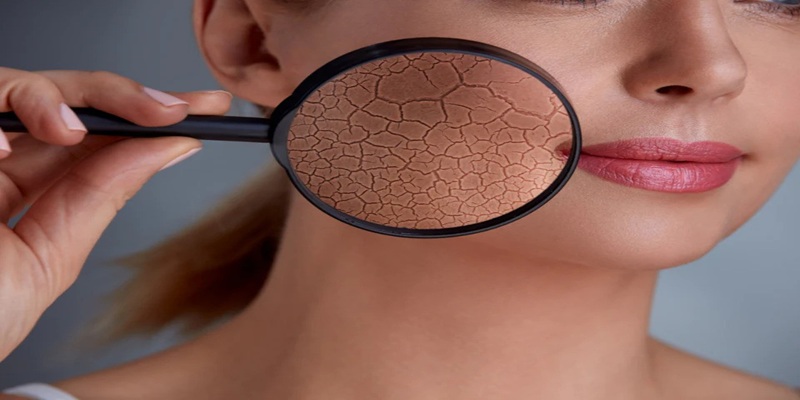
Sensitive Skin Moisturizers Guide: Ingredients, Products, and Tips
Elison E
|
March 3, 2026
If you have sensitive skin, finding the right moisturizer can feel frustrating. Many products either irritate your skin or don’t provide enough hydration. Sensitive skin needs gentle formulas that support the skin barrier without causing reactions. Dermatologists generally recommend focusing on simple ingredients and barrier-repairing products.
What Makes Sensitive Skin Different
Sensitive skin reacts more easily to external factors and requires more careful product choices. It tends to become red, irritated, or inflamed more easily. Some people also experience stinging, burning, or itching after using certain skincare products.
Common Triggers
Several factors can make sensitivity worse:
- Harsh ingredients in skincare
- Extreme temperatures
- Air pollution
- Certain fabrics
- Fragrances and dyes
The Skin Barrier
Sensitive skin is often linked to a weakened skin barrier. This outer layer helps keep moisture in and irritants out. When it is damaged, skin becomes more prone to dryness and irritation.
Choosing a Moisturizer
For sensitive skin, look for products that are:
- Fragrance-free
- Hypoallergenic
- Non-comedogenic
- Formulated with soothing ingredients like aloe, chamomile, or oat

Why Moisturizers Matter for Sensitive Skin
Moisturizers play a key role in keeping sensitive skin stable and comfortable.
Hydration and Protection
A good moisturizer helps lock in water and forms a light protective layer on the skin. This reduces dryness, flaking, and tightness.
Reducing Irritation
Many moisturizers include calming ingredients such as aloe vera, chamomile, or colloidal oatmeal. These can help reduce redness and make skin feel more comfortable over time.
Repairing the Barrier
Ingredients like ceramides, fatty acids, and cholesterol help restore the skin barrier. Cream-based formulas often feel richer and more protective, especially for dry or reactive skin.
Best Moisturizers for Sensitive Skin
Here are some products that are widely recommended by dermatologists.
Gentle Basics
CeraVe Moisturizing Cream contains ceramides and has a thick but non-greasy texture. It helps repair the skin barrier and works for both face and body.
Vanicream Moisturizing Cream keeps the formula very simple, without fragrance, dyes, or common irritants. Its thicker texture works well for very dry or reactive skin.
Soothing Options
Avène Skin Recovery Cream has a minimal ingredient list and a smooth, slightly rich texture that feels calming on the skin.
La Roche-Posay Toleriane Double Repair Moisturizer includes ceramides and niacinamide. It has a lighter lotion texture that absorbs quickly.
Natural-leaning Choices
First Aid Beauty Ultra Repair Cream uses colloidal oatmeal and shea butter. It feels rich but spreads easily and helps with dry patches.
Aveeno Calm + Restore Oat Gel Moisturizer has a lightweight gel-cream texture that absorbs quickly and feels less heavy on the skin.
Ingredients to Look for (and Avoid)
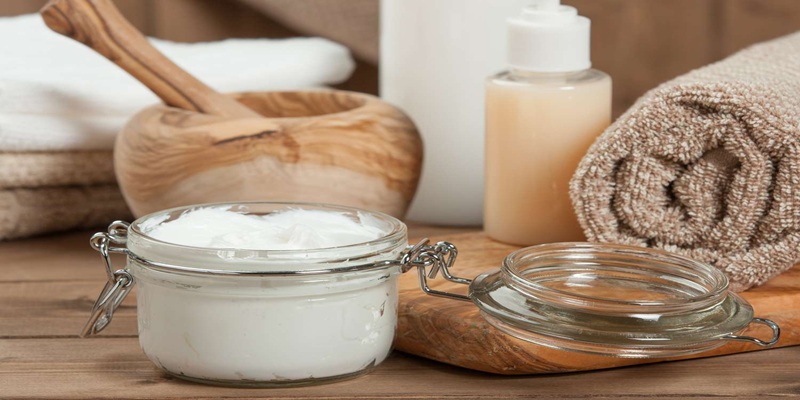
Sensitive skin needs moisturizers that focus on barrier repair, hydration, and low irritation risk. Ingredient lists matter more than marketing claims.
Good Ingredients to Look for
Hyaluronic acid helps attract and hold water in the skin, improving hydration without heaviness. Glycerin is another reliable humectant that pulls moisture into the outer skin layer and supports long-lasting hydration.
Ceramides are especially important because they help rebuild and maintain the skin barrier. A stronger barrier reduces redness, dryness, and sensitivity over time.
Soothing ingredients like niacinamide can help calm inflammation and support barrier function while improving uneven tone. Aloe vera, chamomile, and colloidal oatmeal are commonly used to reduce redness and irritation, especially in reactive skin.
Squalane is another gentle ingredient that mimics natural skin oils and helps prevent moisture loss without clogging pores.
Ingredients to Avoid or Limit
Fragrance and essential oils are among the most common triggers for sensitive skin reactions. Even natural-sounding oils can irritate reactive skin types.
Denatured alcohol or high amounts of drying alcohols can strip moisture and weaken the skin barrier, leading to tightness and sensitivity.
Strong exfoliating acids like AHAs and BHAs can be beneficial in skincare, but they are often too aggressive when included in daily moisturizers for sensitive skin. Overuse may lead to redness and peeling.
Retinoids should also be used with caution. While effective for aging and acne, they can irritate if introduced too quickly or layered with other active ingredients.
For sensitive skin, shorter ingredient lists with barrier-supporting and fragrance-free formulas usually perform better than complex products with multiple active ingredients.
Tips for Using Moisturizer

Moisturizer works best when it supports the skin barrier and helps lock in hydration, but the way you apply it matters just as much as the product itself.
- Know your skin type and pick the right texture
Dry skin usually benefits from cream-based moisturizers with occlusives like shea butter or ceramides, which help reduce water loss.
Oily or acne-prone skin often does better with gel or lightweight lotion textures that hydrate without feeling heavy. If your skin is sensitive, simple formulas with fewer fragrances and additives are usually better tolerated.
- Apply at the right time for better absorption
Moisturizer is most effective when applied within a few minutes after cleansing, while the skin is still slightly damp. This helps trap water in the skin and improves hydration. Waiting too long can reduce its effectiveness because the skin starts to lose moisture to the air.
- Use the right amount and technique
A pea to dime-sized amount is usually enough for the face. Warm the product slightly between your fingers, then press it into the skin instead of rubbing. Pressing helps reduce irritation and supports better absorption, especially around sensitive areas like the cheeks and under the eyes.
- Layer products correctly
A general rule is to go from light to heavy textures. Serums come first, followed by moisturizer, and sunscreen always goes last during daytime routines. Layering in the wrong order can block absorption and reduce effectiveness.
- Adjust based on the environment and season
Skin needs more hydration in cold or dry weather and may need lighter products in humid conditions. It is common to switch moisturizers seasonally rather than sticking to one product year-round.
Caring for Sensitive Skin
Those gently effective properties really need their application to sensitive skin. Quality moisture will hold down irritation while working to further strengthen the skin barrier.
Always patch tests for new products and slowly add them to your routine. Listen to how your skin responds, and adjust accordingly. It takes time, but moisturizers well-recommended by experts help achieve healthier and happier skin.
Recent Posts
-
![]()
How to Protect and Repair the Skin Barrier?
-
![]()
Natural Ways to Reduce Dark Circles and Refresh Tired Eyes
-
![]()
How To Do Gua Sha At Home: Step-By-Step Guide For Beginner
-
![]()
Best Healing Lip Balms for Sensitive, Dry, or Damaged Lips
-
![]()
The Best Non-Comedogenic Moisturizers For Easily Irritated Skin
-
![]()
Cica Skincare Solutions: Creams, Balms, And Masks For Sensitive Skin