Face Exfoliator Tips For Smooth, Clear, And Bright Skin
Andy
|
December 13, 2025
Exfoliation is an essential part of any skincare regimen, helping address issues such as clogged pores, dullness, and rough texture. This crucial step removes dead skin cells, revealing a smoother, brighter complexion beneath. If you're facing any of these concerns, keep reading to explore effective exfoliating techniques tailored to your skin type!
What Is Exfoliation?
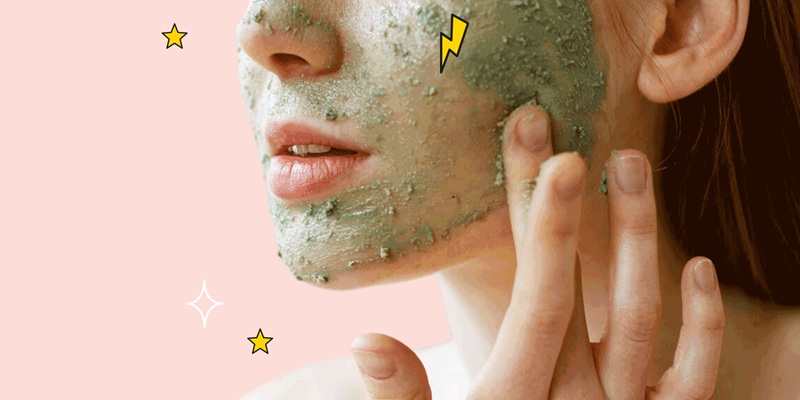
Exfoliation is the process of removing dead skin cells from the skin's surface, making it a critical component of a comprehensive skincare routine. Its importance lies in its ability to boost cell turnover, which helps rejuvenate the skin and promote a healthy, glowing appearance.
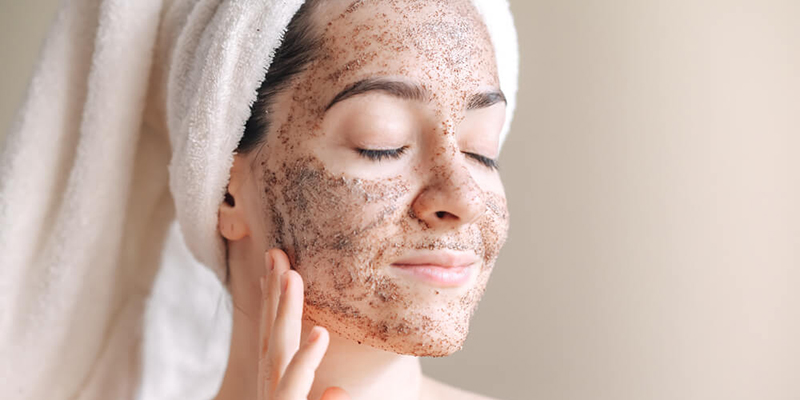
Implementing a regular exfoliation regimen can lead to substantial improvements in skin texture and tone. This practice can gradually reduce dark spots and acne scars, promoting a more uniform complexion.
Exploring Types Of Exfoliation
Exfoliation can broadly be classified into two types: Physical Exfoliation and Chemical Exfoliation.
Physical Exfoliation
Physical exfoliation is the process of manually removing dead skin cells with scrubs, brushes, or sponges. Products such as granular scrubs and exfoliating brushes are standard in this category. One of the primary benefits of physical exfoliation is its ability to provide immediate results, leaving the skin feeling smooth and refreshed. The tactile experience of scrubbing can also be enjoyable for many.
However, a notable disadvantage is the tendency for irritation, especially among sensitive skin types. Over-exfoliation or the use of abrasive tools can lead to redness, discomfort, or micro-tears in the skin.
Chemical Exfoliation
Chemical exfoliation leverages active ingredients like Alpha Hydroxy Acids (AHAs), Beta Hydroxy Acids (BHAs), and various enzymes to dissolve dead skin cells at a deeper level. AHAs, including glycolic acid, are water-soluble and particularly effective for dry skin types, while BHAs, such as salicylic acid, penetrate effectively in oilier skin. The true advantage of chemical exfoliation lies in its ability to yield more profound, longer-lasting results without physical abrasion, making it suitable for a range of skin conditions.
Tailoring Exfoliation To Skin Types
Every skin type presents unique needs; recognizing these can help tailor your exfoliation plan effectively.
Oily Skin
For those with oily skin, exfoliants containing salicylic acid and clay masks are ideal. Salicylic acid, known for penetrating deep into pores, helps dissolve excess oil and combat acne, while also possessing anti-inflammatory properties that reduce redness. Clay masks harness ingredients like kaolin or bentonite to absorb oil and impurities, leaving a fresh, clean sensation. Consistent use can help regulate oil levels and minimize breakouts.
Dry Skin
Individuals with dry skin should consider creamy, gentle exfoliants. Products containing ingredients such as lactic acid or sugar provide mild exfoliation while simultaneously hydrating the skin. Following exfoliation, apply a rich moisturizer or hydrating serum to replenish moisture, helping prevent flakiness or tightness commonly associated with dry skin.
Sensitive Skin
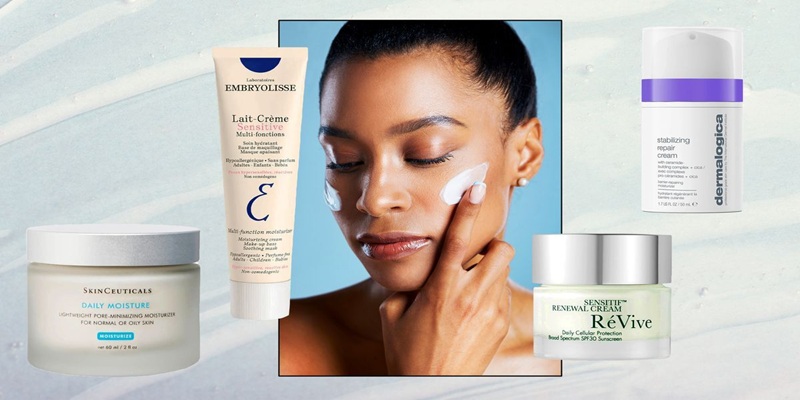
Those with sensitive skin should choose mild, non-abrasive exfoliants. Options like rice powder or oatmeal can offer gentle exfoliation without irritation. Always perform a patch test when trying new products: apply a small amount to an inconspicuous area for several days to ensure there are no adverse reactions.
Combination Skin
For individuals with combination skin, a tailored approach is necessary. Employ different products based on the areas of your face: use salicylic acid in oilier regions, and apply cream-based exfoliants to drier areas. This customized strategy ensures each skin section receives appropriate care without worsening existing issues.
Top 3 Best-Selling Facial Exfoliating Products
Drunk Elephant T.L.C. Sukari Babyfacial
Brand Introduction: Known for its focus on pure and effective ingredients.
Product Description: Drunk Elephant T.L.C. Sukari Babyfacial is a deep exfoliating mask designed to address rough skin and dullness. Its concentrated fruit acid formula gently removes dead skin cells while maintaining the skin's moisture balance. After use, skin becomes smooth, soft, and radiant. It has a silky texture and a refreshing Scent. Suitable for all skin types, including sensitive skin.
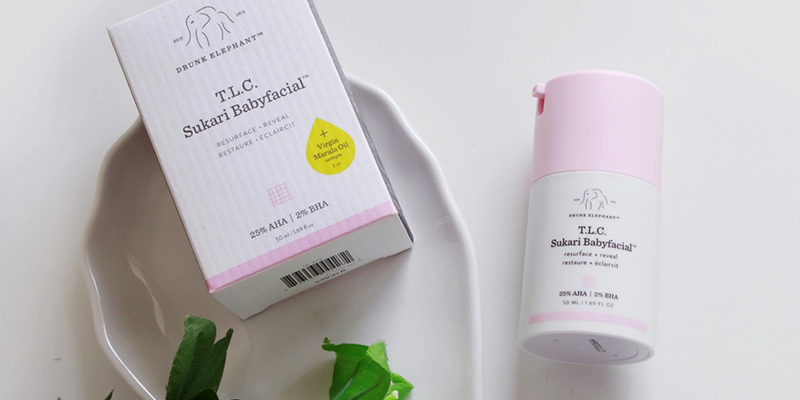
Features: Deep exfoliation, improves rough skin and dullness, enhances skin radiance.
Disadvantages: Some people may experience stinging or irritation; a patch test is recommended.
Sunday Riley Good Genes All-In-One Lactic Acid Treatment
Brand Introduction: Highly regarded for its highly effective products.
Product Description: Sunday Riley Good Genes is an all-in-one lactic acid treatment that effectively exfoliates, reduces fine lines, and evens skin tone. It has a lightweight, easily absorbed texture with a subtle lemon Scent. After use, the skin is clear, bright, firm, and elastic. Suitable for all skin types, especially those needing more glowing skin.
Features: Exfoliates, reduces fine lines, brightens skin tone, and improves skin elasticity.
Disadvantages: May irritate extremely sensitive skin; a small-area test is recommended.
Kate Somerville Exfolikate Intensive Exfoliating Treatment
Brand Introduction: Highly regarded for its unique and effective products.
Product Description: Kate Somerville ExfoliKate is a powerful exfoliating scrub that combines fruit enzymes and granules to deeply cleanse pores, remove dead skin cells, and leave skin feeling refreshed and radiant. It has a fine texture and a refreshing minty Scent. Suitable for skin that needs deep cleansing and exfoliation.
Features: Deeply cleanses pores, removes dead skin cells, leaves skin feeling refreshed and radiant.
Disadvantages: May cause slight pilling; gentle massage followed by thorough rinsing is recommended.
Best Practices For Effective Exfoliation
The first step is determining your skin type to establish how frequently you should exfoliate. For oily skin types, exfoliate 2-3 times a week; for dry skin types, limit exfoliation to 1-2 times a week to prevent irritation. If you have sensitive skin, it's advisable to exfoliate only once a week, using gentle formulas that maintain skin integrity.
Step-By-Step Exfoliation Process:
- Timing: Schedule exfoliation during the evening, allowing your skin adequate time to recover overnight.
- Cleansing: Begin with a mild cleanser to remove makeup and other impurities.
- Exfoliant Application: Employ a chemical exfoliant like AHA/BHA for smoother outcomes, or a fine-particle physical scrub for immediate results. Apply a dime-sized amount evenly across the face, avoiding the eye area.
- Massage: Gently massage in circular motions for approximately 30 seconds, then rinse with lukewarm water.
- Follow-up Care: Apply a hydrating serum to replenish moisture, topped with a nourishing moisturizer. Always be attentive to yskin's response and adjust the frequency and products as necessary for optimal outcomes.
Seamlessly Integrating Exfoliation Into Your Skincare Routine
Incorporating exfoliation into your skincare routine is key to achieving a clear, radiant complexion. Begin with a gentle cleanser suited to your specific skin type, such as CeraVe Hydrating Cleanser for dry skin or La Roche-Posay Effaclar Gel for oily skin. Next, integrate a chemical exfoliant, Paula's Choice 2% BHA Liquid Exfoliant, which effectively unclogs pores while refining skin texture.
Post-exfoliation, the importance of hydration cannot be overstated. Apply a soothing serum, such as The Ordinary Hyaluronic Acid 2% + B5, to lock in moisture. Complete the routine with a rich moisturizer, such as Neutrogena Hydro Boost Gel-Cream, which provides lasting hydration without heaviness.
Applying sunscreen is imperative after exfoliation; sunlight can adversely affect freshly exposed skin. Opt for a broad-spectrum sunscreen, such as EltaMD UV Clear, that protects against harmful UV rays while keeping your skin well-hydrated.
Acknowledging Potential Drawbacks Of Exfoliation
While exfoliation is indispensable for achieving clear and glowing skin, several potential drawbacks warrant attention. A standard error is overexfoliation, which can lead to irritation, redness, and even peeling. Such issues often stem from excessive use of exfoliating products or applying too much pressure during scrubbing. The use of harsh tools or strong chemical exfoliants may strip the skin of its natural barrier, leading to inflammation and dryness.
To fully enjoy the sensory experience of quality exfoliating products, consider those with enticing textures and soothing scents to elevate your routine. To avert negative consequences, adopt a gentle methodology: limit exfoliation to 1-3 times a week, carefully select products that align with your skin type, and always follow up with adequate hydration.
Start Your Skincare Transformation
Effective exfoliation is a gateway to achieving smoother, brighter skin and improving product absorption. By exploring different exfoliation methods that cater to your skin type, you can harness the full potential of your skincare regimen. Take the first step on your journey to radiant skin today!
Recent Posts
-
![]()
DIY Face Masks for Every Skin Concern: Simple Recipes That Work
-
![]()
Sensitive Skin Moisturizers Guide: Ingredients, Products, and Tips
-
![]()
Natural Ways to Reduce Dark Circles and Refresh Tired Eyes
-
![]()
Bakuchiol: The Natural, Plant-Based Retinol Alternative
-
![]()
Which Mineral Sunscreen Really Works? Face And Body Picks Inside
-
![]()
Cica Skincare Solutions: Creams, Balms, And Masks For Sensitive Skin