Non-Comedogenic Moisturizers Recommend For Oily Skin
Judy
|
December 16, 2025
Facing the mirror at noon, only to see an oil slick reflecting at you, is exhausting. You might be tempted to skip hydration entirely, but that often backfires, signaling your skin to produce even more sebum. Finding the best non-comedogenic moisturizer feels like navigating a minefield of marketing fluff. Whether you are hunting for a specific oil-free non-comedogenic moisturizer or just general relief from breakouts, we are here to demystify the science of clear, hydrated skin.
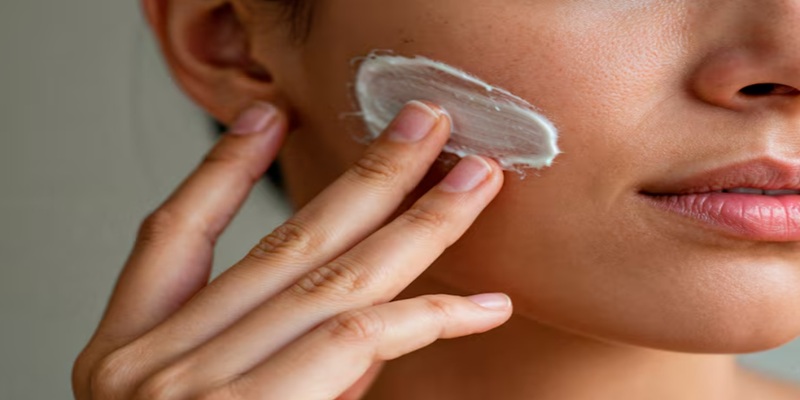
Understanding The Label: What Does "Non-Comedogenic" Really Mean?
You see the term plastered on bottles everywhere, but what does it actually signal? Technically, "non-comedogenic" implies that a product is explicitly formulated not to block pores (comedones). However, consumer caution is advised. The FDA does not provide a strict set of criteria or a standard definition for this label, leaving brands significant leeway in how they use it. This regulatory gap underscores the importance of your ability to read and understand ingredient lists, as highlighted by the American Academy of Dermatology.
Furthermore, there is a pervasive myth that oily skin does not need moisture. This is chemically incorrect. When you strip your skin of natural moisture using harsh cleansers or skipping lotion, your sebaceous glands often overcompensate by producing excess oil. Using a moisturizer daily is a critical step, even for acne-prone skin, to maintain a healthy barrier and reduce irritation that can lead to more breakouts. The goal isn't to dry out your face, but to balance it.
The Ingredient Watchlist: Picking a Moisturizer That Doesn’t Clog Pores
Before we look at how a product feels on your face, we must audit what is inside the bottle. Not all ingredients are created equal, and understanding the comedogenicity scale—a ranking system roughly from 0 (won't clog pores) to 5 (high probability of clogging)—is your best defense against acne cosmetica.
The Green Light: Hydration Heroes
For oily skin, you want ingredients that act as humectants—substances that attract water to the skin—rather than heavy occlusives.
• Hyaluronic Acid: The gold standard for a lightweight noncomedogenic moisturizer. It draws moisture into the skin without adding a heavy lipid layer.
• Niacinamide: A powerhouse vitamin (B3) that not only hydrates but helps regulate sebum production and calm redness.
• Glycerin: A highly effective, non-irritating humectant that sits low on the comedogenic scale.
• Squalane: Unlike heavy plant oils, squalane mimics your skin's natural oils but is lightweight and generally non-comedogenic, offering hydration without the grease.
The Red Light: Common Cloggers
Conversely, certain popular natural ingredients can be disastrous for oily complexions.
• Coconut Oil: Despite its wellness halo, it rates highly (often a 4 out of 5) on the comedogenicity scale and acts as a barrier that traps bacteria.
• Cocoa Butter: Excellent for body lotions on dry skin, but too rich and pore-clogging for the face.
• Lanolin: Derived from sheep's wool, this fatty substance is incredibly occlusive and can easily trap dead skin cells within the pores.
• Isopropyl Myristate: Often used to make products feel less greasy, ironically, it is a known pore-clogging penetration enhancer.
Research highlighted by the National Institutes of Health supports the correlation between specific lipid ingredients and the formation of acne lesions. However, having a safe ingredient list is only the first step. You could have the perfect chemical profile, but if the consistency feels like grease or pills under makeup, you won't wear it.
Texture Matters: Why a Non-Comedogenic Gel Moisturizer Is Often Superior
Having identified the ingredients to embrace and those to avoid, the conversation must shift to the physical vehicle delivering these compounds: the texture. For individuals managing excess sebum production, the tactile experience of a product is often the deciding factor in whether a routine is maintained or abandoned. While rich, lipid-rich creams are the gold standard for dry skin types, applying them to an oily complexion can feel like wearing a heavy wool coat in the heat of summer—suffocating, sticky, and uncomfortable.
This is why a non-comedogenic gel moisturizer is widely regarded as the superior formulation for oily skin. Unlike traditional creams, which often rely on heavy occlusive agents to seal moisture in by sitting atop the epidermis, water-based gels and gel-creams utilize lightweight humectants. They function to pull hydration into the skin layers without leaving a residual film. The result is a product that absorbs almost instantly, providing a "matte finish" that helps control shine throughout the day rather than contributing to it.
Consider the user scenario: a heavy cream often slides around the face, interfering with sunscreen adhesion or causing makeup to pill, while trapping heat and sweat against the skin. In contrast, an oil-free and noncomedogenic moisturizer in gel form disappears upon application. It leaves the skin feeling refreshed and naked, yet hydrated. This lightweight delivery system ensures the pores remain breathable, preventing the accumulation of dead skin and oil that can lead to breakouts, making it the pragmatic choice for anyone prone to congestion.
Expert Tips To Select The Top Non-Comedogenic Moisturizer
Once you have prioritized a gel-based texture, the final step is navigating the crowded marketplace with a discerning eye. Marketing terms can be nebulous, so approaching your purchase with a strict checklist is essential for long-term skin health. To select a top-tier non-pore-clogging moisturizer, you must look beyond the front label and analyze the formulation strategy.
Your primary filter should be the explicit "Oil-Free" designation. While "non-comedogenic" indicates the product has passed testing to prove it does not block pores, ensuring the base is completely oil-free provides an extra layer of safety against lipid-induced congestion. This ensures the product hydrates solely through water-binding agents rather than heavy oils.
Secondly, look for "functional hydration." The best moisturizers for oily skin often double as mild treatments. Formulations containing low concentrations of beta-hydroxy acids (BHAs), such as salicylic acid, offer a two-in-one benefit: they hydrate the skin barrier while the acid dissolves the glue that holds dead skin cells together within the pore. This prevents the formation of micro-comedones before they start.
Thirdly, avoid the "sensory trap" of heavy fragrances. Oily skin is often inflamed skin. Artificial fragrances and essential oils are common irritants that can trigger contact dermatitis, leading to more redness and acne. As noted by the Mayo Clinic in their guidelines for acne care, using gentle, non-irritating cleansers and moisturizers is a cornerstone of effective skincare routines. By rigidly sticking to this criteria—oil-free, active-infused, and fragrance-free—you ensure your moisturizer acts as a strategic asset in your skincare arsenal.
Application Myths And Methods For The Best Moisturizer For Clogged Pores
There is a persistent myth in skincare that oily skin requires harsh drying to eliminate breakouts. However, stripping your skin of moisture is often counterproductive. According to dermatological standards, when skin becomes dehydrated, the body compensates by overproducing sebum, leading to an even greasier complexion and potential irritation. Instead of skipping this step to "dry out" pimples, the goal must be to maintain equilibrium.
To maximize the benefits of your chosen noncomedogenic moisturizer for oily skin, technique is just as critical as the ingredient list. The most effective method is to apply the product immediately after washing, while your skin is still slightly damp. This technique effectively locks in water, ensuring hydration without requiring heavy occlusion. Furthermore, precision matters: use a pea-sized amount. Overloading the skin, even with safe products, can lead to product pilling or excess surface residue.
Your Roadmap To a Shine-Free Future
Ultimately, integrating the right moisturizer that doesn't clog pores is a game-changer for maintaining clear, matte skin. It shifts the narrative from fighting oil to balancing hydration, preventing the very signals that trigger excess sebum production.
Take a moment to check the ingredients list on your current bottle immediately. If it is heavy in occlusive oils or lacks explicit non-comedogenic labeling, it is likely working against you. Make the switch to a verified, gel-based formula today, and stop the cycle of congestion before it starts.
Sources
Recent Posts
-
![]()
Exploring the Benefits of Facial Gua Sha: Techniques and Tips
-
![]()
Peptide Moisturizers And Serums: Reviews And Recommendations
-
![]()
How To Do Gua Sha At Home: Step-By-Step Guide For Beginner
-
![]()
Why Pimple Patches Are The Best Way To Treat Active Breakouts
-
![]()
Mineral Vs Chemical Sunscreen: Pros, Cons, And Which To Choose
-
![]()
Stay Sun-Safe: Must-Have SPF Lip Balms for Beach, Hiking, or City Life