How Dry Skin Can Avoid Breakouts While Staying Moisturized
Judy
|
December 10, 2025
Dealing with tight, flaky skin that still breaks out is a unique kind of torture. You feel trapped between the desperate need for hydration and the fear of new pimples. Finding the best noncomedogenic moisturizer for dry skin is crucial because starving your face of moisture often makes the problem worse, not better.
Understanding Why Dry Skin Breaks Out
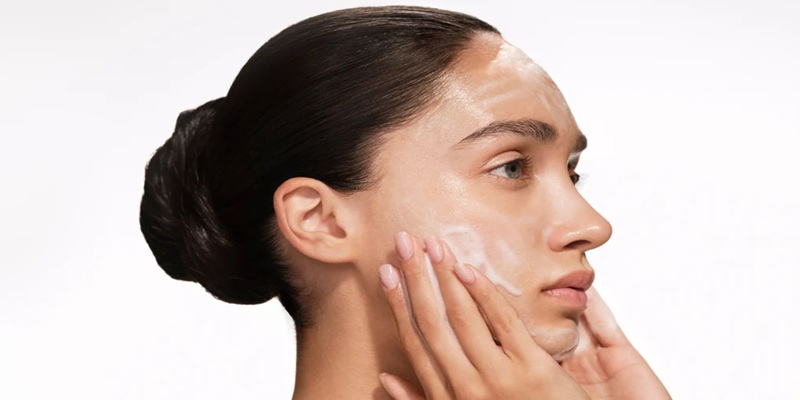
A common misconception is that acne is solely the result of excess oil production. However, for those with dry skin, the real culprit is often a compromised lipid barrier. When your skin lacks sufficient moisture, it develops microscopic cracks in the outer layer. If your face feels tight after washing, that is a sign of barrier damage, not cleanliness. According to the American Academy of Dermatology, this compromised barrier allows bacteria to penetrate deeper while simultaneously letting essential hydration escape.
This dynamic triggers a vicious inflammatory response. The skin, sensing it is under attack and overly dry, may actually overcompensate by producing thicker, stickier sebum that gets trapped in these micro-fissures. Therefore, the strategy shouldn't be to dry out the pimple, but to repair the wall. You need a dedicated noncomedogenic barrier cream that seals these microcracks without suffocating the pore. By focusing on repair rather than stripping, you effectively stop the cycle of irritation-induced acne before it begins, creating a healthier environment where bacteria cannot thrive.
Ingredients To Look For: Hydration Without The Clog
Navigating ingredient labels requires a keen eye for humectants that bind water and occlusives that seal it in, without the weight that triggers congestion. The ultimate goal is to find a noncomedogenic hydrating moisturizer that respects the skin's urgent need for breathability while delivering intense repair. Here is how to break down the label:
The Heroes: Moisture Magnets and Builders
Hyaluronic Acid & Glycerin: These are premier humectants. They act like biological sponges, capable of pulling moisture from the air or deeper dermis into the outer skin cells. This plumps the surface immediately without adding a drop of oil.
Ceramides: Think of these as the mortar between your skin cells' bricks. As noted by the National Eczema Association, replenishing ceramides is essential for restoring the protective barrier. When the barrier is strong, irritants stay out, and hydration stays in. Look for products containing Ceramide NP, AP, or EOP.
The Grey Area: Botanical Oils
Squalane & Jojoba Oil: These botanical oils share a molecular structure remarkably similar to human sebum. This makes them highly compatible and generally safe for acne-prone, dry types because the skin recognizes them and readily absorbs them, rather than letting them sit on the surface to clog pores.
Coconut Oil: While a popular DIY remedy for body skin, it acts differently on the face. It is highly comedogenic (pore-clogging rating of 4/5) and should be strictly avoided if you are prone to breakouts.
The Villains: Heavy Occlusives
Steer clear of Lanolin, Cocoa Butter, and heavy Algae Extracts. While these are excellent for treating rough elbows or heels, they can form a layer that is often too dense for facial pores. They can trap dead skin cells and bacteria immediately, leading to deep, painful cysts.
The Morning Strategy: Lightweight Protection
Your morning routine is a delicate balancing act between providing enough hydration to prevent tightness and preparing a non-greasy base for the day's environmental stressors. Because you will likely be layering sunscreen—and potentially makeup—on top, the texture of your moisturizer is paramount. Heavy creams can pill under SPF or create a "sweat trap," leading to midday shine and congestion.
Opt for gel-creams or lightweight emulsions. These hybrid textures offer the high water content of a gel with the emollient finish of a cream, preventing that suffocating feeling during the day. A crucial technique is to apply your moisturizer while your skin is still damp from washing or toning. This locks in that residual water, significantly boosting efficacy without requiring a thicker product.
Finally, look specifically for a fragrance-free, noncomedogenic moisturizer for your AM slot. Fragrances are common irritants that can trigger inflammation, and in the morning, when your skin is exposed to UV rays and urban pollution, minimizing potential triggers is key to keeping redness at bay. Allow the moisturizer to settle for a full minute before applying sunscreen to ensure it has fully absorbed rather than just sitting on the surface. This creates a smooth canvas that protects your dry patches without suffocating your pores.
The Night Routine: Repair And Recover
While your morning routine focuses on protection against environmental aggressors, your evening regimen is strictly about restoration. Research highlights that skin permeability increases at night, making it the prime window for active ingredient absorption, but also for transepidermal water loss (TEWL). According to a study indexed by the National Center for Biotechnology Information (NCBI), skin cell proliferation and repair mechanisms peak during sleep, with circadian rhythms strongly influencing them. This biological reality necessitates a shift in texture; a lightweight lotion often isn't enough to sustain hydration through the night. You need a noncomedogenic night cream that supports this repair process without suffocating the pores.
For those managing dry, acne-prone skin, the primary goal is to repair the barrier. A compromised moisture barrier lets bacteria in and moisture out, creating a cycle of inflammation that exacerbates acne. Look for a noncomedogenic night moisturizer rich in biomimetic ingredients like ceramides, cholesterol, and fatty acids, which mimic the skin's natural lipid structure.
A note on "slugging"—the viral trend of sealing skincare with a heavy layer of petrolatum: proceed with extreme caution. While this technique is excellent for simple dry skin, pure occlusives can trap bacteria, heat, and sebum against the skin, creating a greenhouse effect for acne bacteria. Instead of traditional slugging with pure Vaseline, opt for a sophisticated barrier-repairing sleeping mask or a richer, noncomedogenic cream. These provide the necessary seal to prevent water loss but allow the skin to breathe, facilitating repair without risking a breakout.
How To Test New Products Safely
Even the safest-looking ingredient list can trigger a reaction in sensitive, compromised skin. Before applying a new product to your entire face, employ the "Patch Test" protocol to ensure safety. Apply a small amount of the product behind your ear or along the jawline—areas where the skin is representative of your face but discreet enough to hide a reaction if one occurs. Monitor the area for 24 to 48 hours for redness, itching, or raised bumps.
Furthermore, adhere strictly to the "Isolation Rule." When upgrading your routine, introduce only one new noncomedogenic face cream or serum at a time. Acne does not always appear overnight; microcomedones can take time to form beneath the surface. Allow a two-week testing period for any new addition. If your skin remains calm after a fortnight, you can safely integrate the following product. This patience prevents the frustration of the "guessing game" when identifying which product caused a sudden flare-up, saving your skin from unnecessary Stress.

Embracing a Hydrated Future
The long-held misconception that you must starve your skin of moisture to eliminate acne is a damaging relic of the past. As we have explored, dehydrated skin is stressed skin, and stressed skin is infinitely more prone to inflammation, oil overproduction, and congestion. By selecting the right ingredients and adhering to a routine that respects your skin barrier, you can effectively break the cycle of dryness and breakouts. Start checking your ingredients list tonight and give your skin the hydration it craves without the fear.
Sources
Recent Posts
-
![]()
Natural Ways to Reduce Dark Circles and Refresh Tired Eyes
-
![]()
How Copper Peptides Help With Anti-Aging And Repair Your Skin
-
![]()
Best Ceramide Moisturizer Picks That Actually Strengthen Your Skin
-
![]()
Why Bakuchiol Is The New Gold Standard For Natural Anti-Aging
-
![]()
Bakuchiol: The Natural, Plant-Based Retinol Alternative
-
![]()
Which Mineral Sunscreen Really Works? Face And Body Picks Inside